Antique Bentwood Chairs: Timeless Elegance and Revolutionary Design
The Enduring Charm of Antique Bentwood Chairs
In the world of furniture design, few pieces possess the same iconic status and effortless grace as the Antique Bentwood Chair.
More than just a seating solution, these chairs are tangible pieces of history, representing a revolutionary moment in manufacturing and aesthetics.
For interior designers, collectors, and homeowners seeking to inject genuine, timeless style into their spaces, the bentwood chair remains the unparalleled choice.
This comprehensive guide serves as your essential resource for understanding, appreciating, and styling these legendary pieces, focusing on the quality, versatility, and enduring value of genuine antiques.
A History Forged in Steam: The Michael Thonet Legacy
To truly appreciate an antique bentwood chair, one must understand the ingenuity of its creator, Michael Thonet.
The story of bentwood is a perfect marriage of art and engineering, originating in the mid-19th century.
The Thonet Innovation: No. 14 Chair
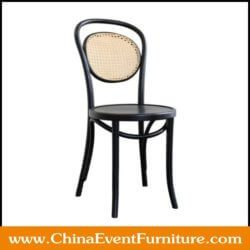
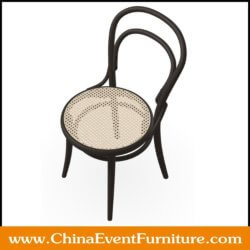
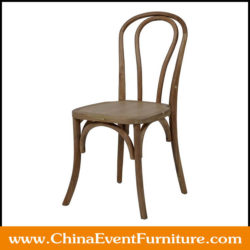
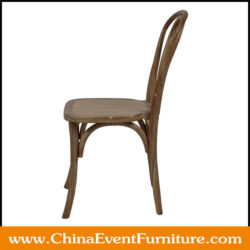
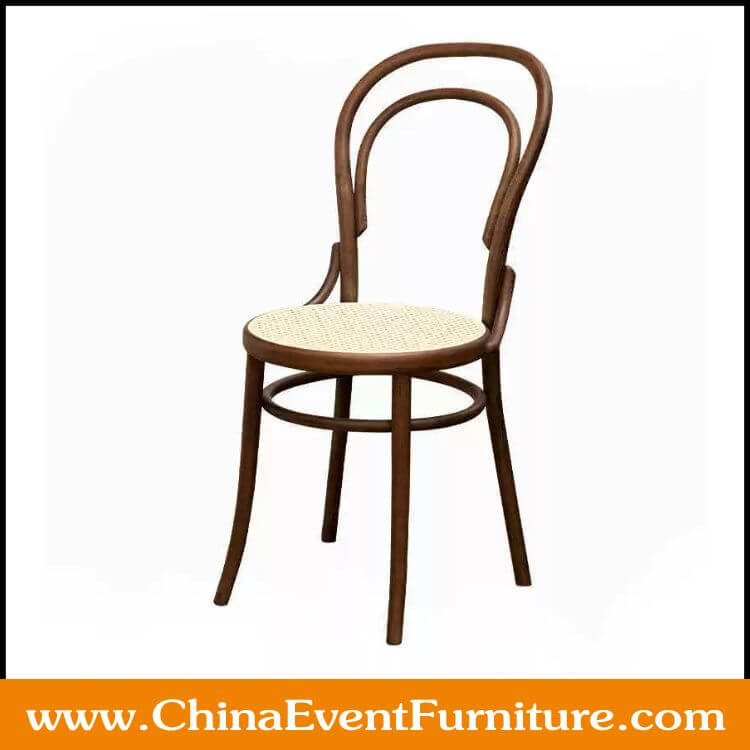
The most famous iteration, often simply called the “Bistro Chair” or the Thonet No. 14, was a masterpiece of industrial design.
Thonet developed a groundbreaking process involving steaming solid beechwood rods and bending them into graceful curves using specialized molds. This process offered several key advantages:
-
Mass Production: It allowed for the first truly industrialized, affordable, and high-quality furniture production.
-
Minimalist Aesthetic: The resulting chairs featured light, airy, and elegant forms previously impossible with traditional joinery.
-
Flat-Pack Shipping: The No. 14 could be disassembled and shipped efficiently, making it the world’s first global furniture success.
When searching for authentic Antique Bentwood Chairs, you are looking for pieces that carry the DNA of this pioneering design, often marked by the Thonet, Kohn, or Mundus stamps.
Product Materials: The Foundation of Bentwood Longevity
The durability and distinctive look of bentwood chairs are intrinsically tied to the materials and construction techniques used.
The Choice Wood: European Beech
The primary material for almost all historical bentwood furniture is European Beech (Fagus sylvatica).
-
Flexibility: Beechwood is dense yet remarkably flexible when subjected to high-pressure steam, allowing it to hold the tight, permanent curves that define the style.
-
Strength: Once dried, the wood hardens and maintains its shape, resulting in an exceptionally strong and lightweight frame.
-
Grain: Beech offers a fine, even grain that takes stains and finishes beautifully, enhancing the chair’s natural warmth.
Seat Varieties: Cane, Plywood, and Upholstery
While the frames are standardized, the seats offer variation:
| Seat Type | Description | Ideal Use Case |
| Woven Cane (Rattan) | The classic, lightweight option. Provides ventilation and texture. | Cafés, Sunrooms, Warm Climates |
| Molded Plywood | A solid, durable seat that is easy to clean. Often stamped or embossed. | High-Traffic Kitchens, Commercial Settings |
| Upholstered | Typically padded with horsehair or coir and covered in leather or fabric. | Formal Dining Rooms, Office Seating |
When evaluating Antique Bentwood Chairs, inspect the condition of the cane or the integrity of the plywood stamp for authenticity and value.
Perfect Use Cases: Integrating Antique Bentwood into Modern Interiors
The versatility of the bentwood chair is its greatest asset. Its neutral, sophisticated aesthetic allows it to seamlessly integrate into virtually any interior design style.
1. The Parisian Bistro Vibe: Dining Areas
This is the chair’s quintessential role. Pairing several original Antique Bentwood Chairs around a rustic wooden or marble-topped dining table instantly recreates the charming atmosphere of a classic European café.
-
Style Tip: Mix and match different antique models (e.g., Thonet No. 18 with an arm version) for an eclectic, lived-in feel.
2. Minimalist & Scandinavian Spaces
The clean lines and lack of unnecessary ornamentation align perfectly with the principles of Nordic design.
The light beechwood finish adds natural warmth without cluttering the visual space.
-
Use Case: A single bentwood armchair used as a feature accent chair in a stark, white living room or bedroom corner.
3. Rustic Farmhouse & Bohemian Settings
The natural materials (wood and cane) and slightly aged patina of an antique piece lend themselves beautifully to these relaxed styles.
-
Application: Use them as practical, easy-to-move seating in a covered porch or as supplementary chairs in a large, open-plan kitchen.
4. Commercial Spaces: Restaurants and Hotels
Even today, original or vintage bentwood chairs are sought after for commercial settings because of their legendary durability, light weight, and stackability.
They withstand heavy use while maintaining a sophisticated, heritage appeal.
The Collector’s Guide: What to Look For in Antique Bentwood Chairs
Investing in genuine antique furniture requires a discerning eye. Use these checkpoints to ensure you are purchasing a quality piece:
Authenticity Markers
-
Stamps/Labels: Search the underside of the seat frame or leg for original manufacturer marks (Thonet, J&J Kohn, Mundus).
-
Screws vs. Dowels: Early bentwood chairs were assembled using three separate pieces of wood secured by screws (the famous three-screw chair). Later models used dowels and glue.
-
Patina: Look for an authentic aged look—not artificially distressed. The wood should show a soft sheen and signs of honest wear, particularly on the edges and seat.
Condition and Structure
-
Joint Integrity: The main points where the bent pieces meet should be tight and free of excessive wobble. Test the chair by sitting in it gently.
-
Cracks: Minor surface cracks are common in very old wood, but avoid chairs with deep structural cracks in the legs or backrest.
-
Cane Condition: If the seat is caned, check for tears or excessive sagging. Re-caning is possible, but it adds to the cost.
Why Choose Antique Over Reproduction?
While modern reproductions exist, opting for true Antique Bentwood Chairs offers significant advantages:
| Antique Bentwood Chairs | Modern Reproductions |
| Value: Holds and often appreciates in value. | Typically depreciates over time. |
| Craftsmanship: Made with original, high-grade European Beech and authentic techniques. | Materials may be lower quality or synthetic. |
| Aesthetic: Possesses a unique, rich patina and historical character. | Looks new, lacks the soul and story of an antique. |
| Sustainability: Reusing historical furniture is the ultimate form of sustainable design. | Requires new resources for manufacturing. |
Elevate Your Space with Timeless Design
The Antique Bentwood Chair is more than furniture; it is a design philosophy in action. It proves that simplicity, quality material, and thoughtful engineering result in a timeless object that transcends trends.
By introducing these graceful antiques into your home or business, you are not just buying a chair—you are acquiring a piece of industrial art history that will continue to delight for generations to come.
Ready to find the perfect set of Antique Bentwood Chairs for your dining room or café?
Explore our curated collection of guaranteed authentic and structurally sound pieces today.