White Plastic Counter Stools: A Versatile Seating Choice For Modern Spaces
White plastic counter stools have become an appealing option for interiors that prioritize a fresh appearance, simple lines, and flexible furniture arrangements.
From residential kitchen islands to café counters and contemporary hospitality projects, these stools offer practical seating without adding visually heavy furniture.
The keyword white plastic counter stools covers a broad product category rather than one specific design.
Some models feature molded plastic seats and backs supported by metal legs, while others use an integrated plastic structure.
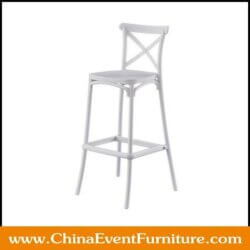
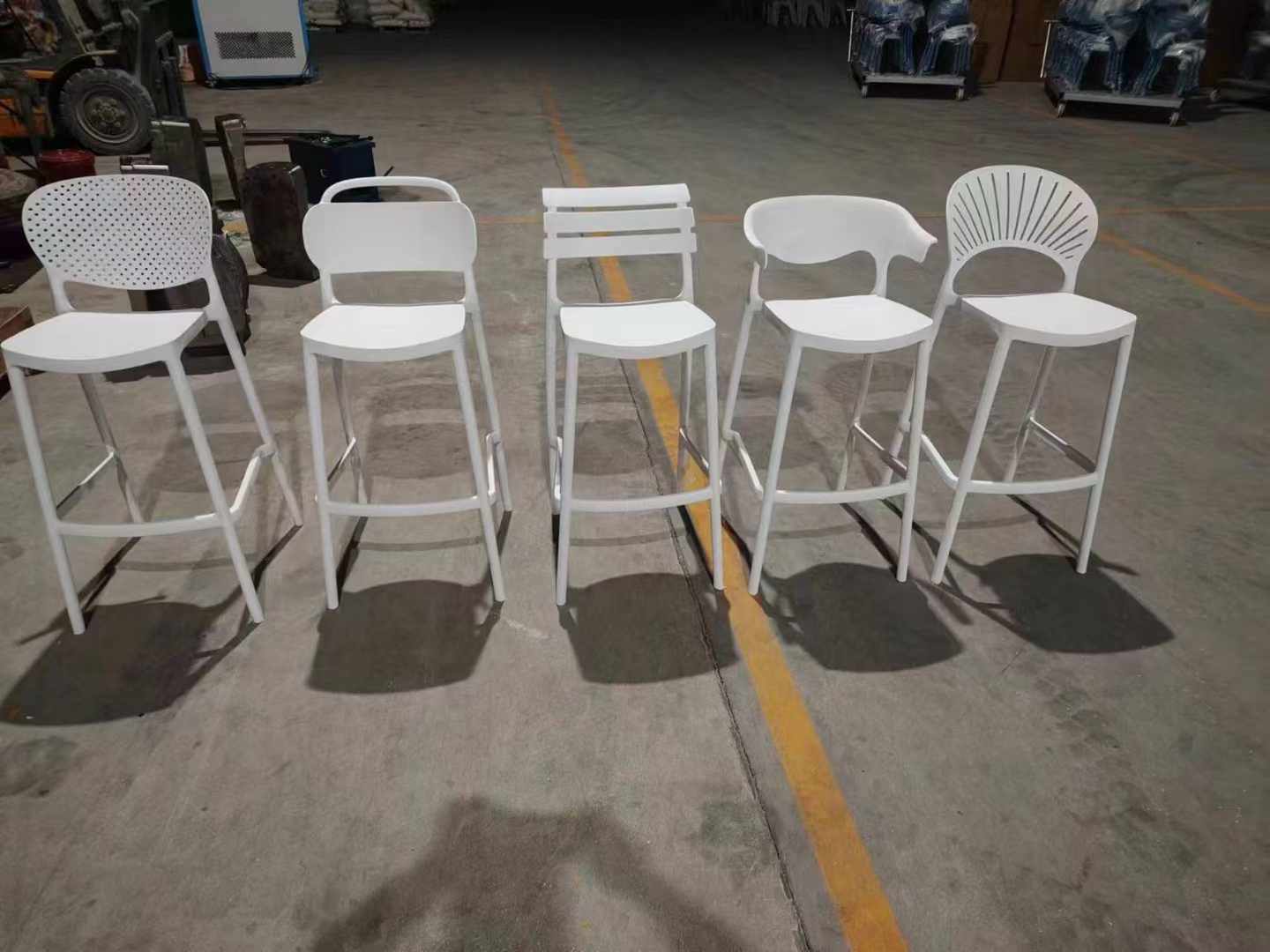
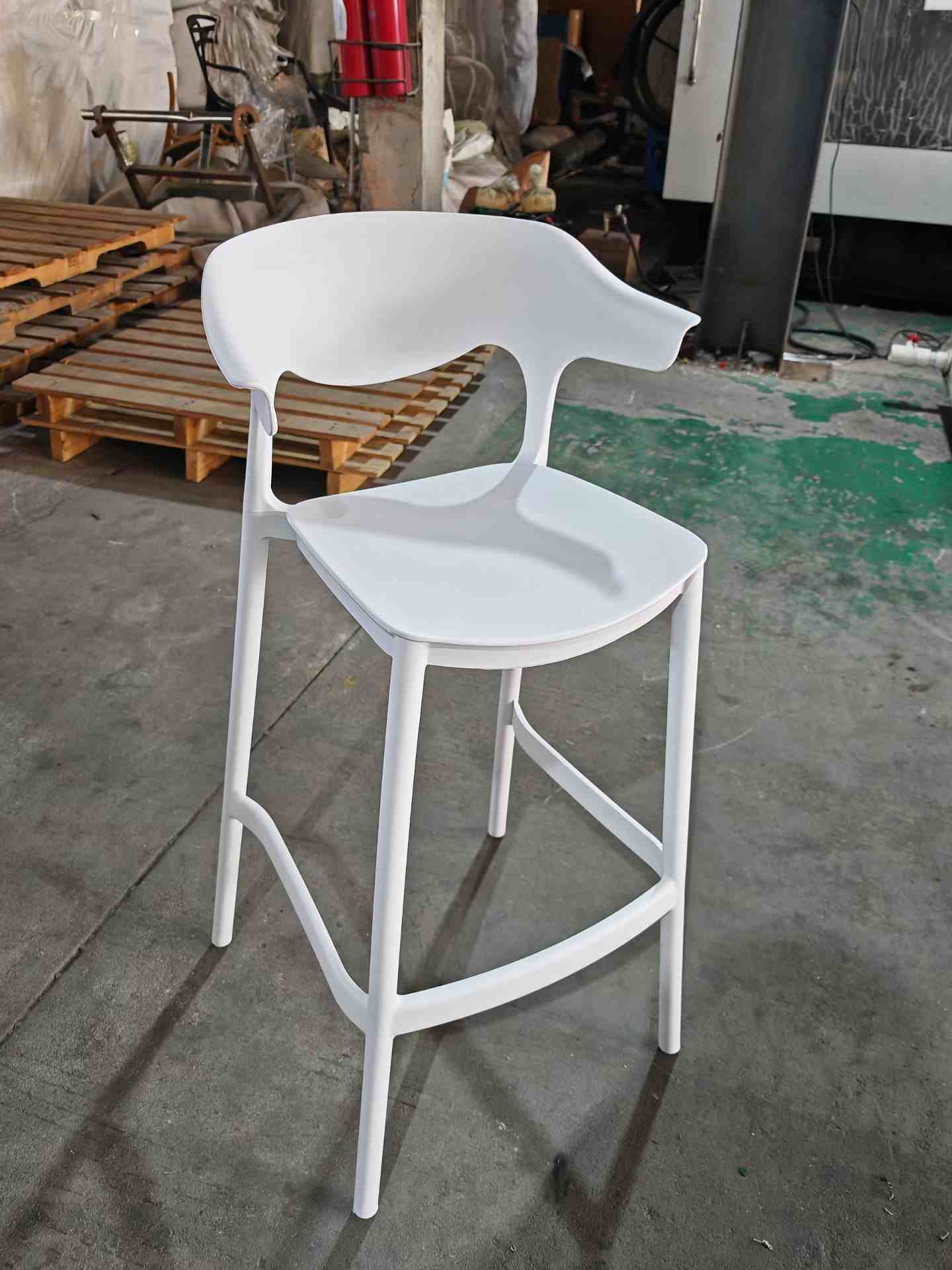
Designs can include perforated backrests, solid seats, curved shells, armrests, swivel mechanisms, or stackable frames.
Counter-height and bar-height versions also differ in dimensions and intended applications.
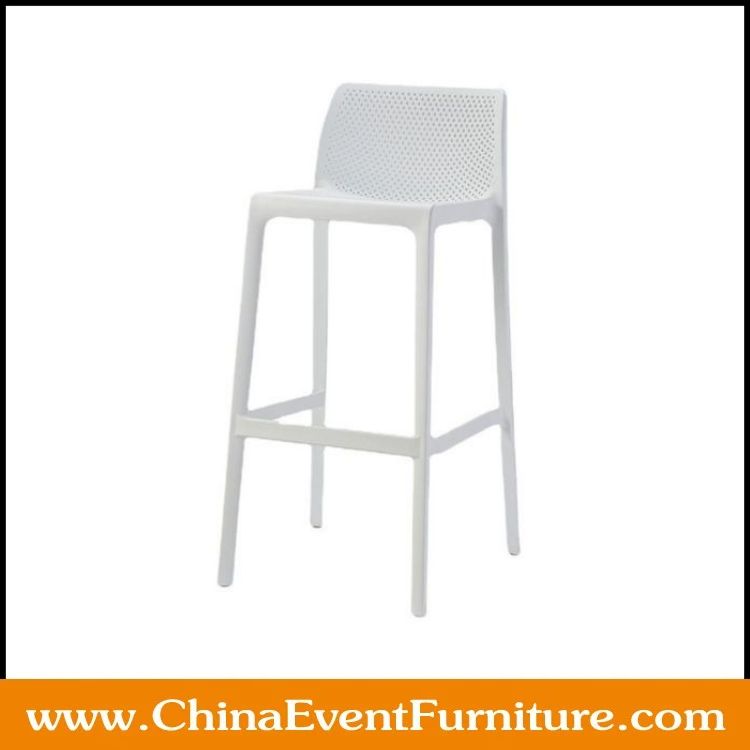
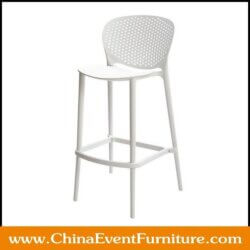
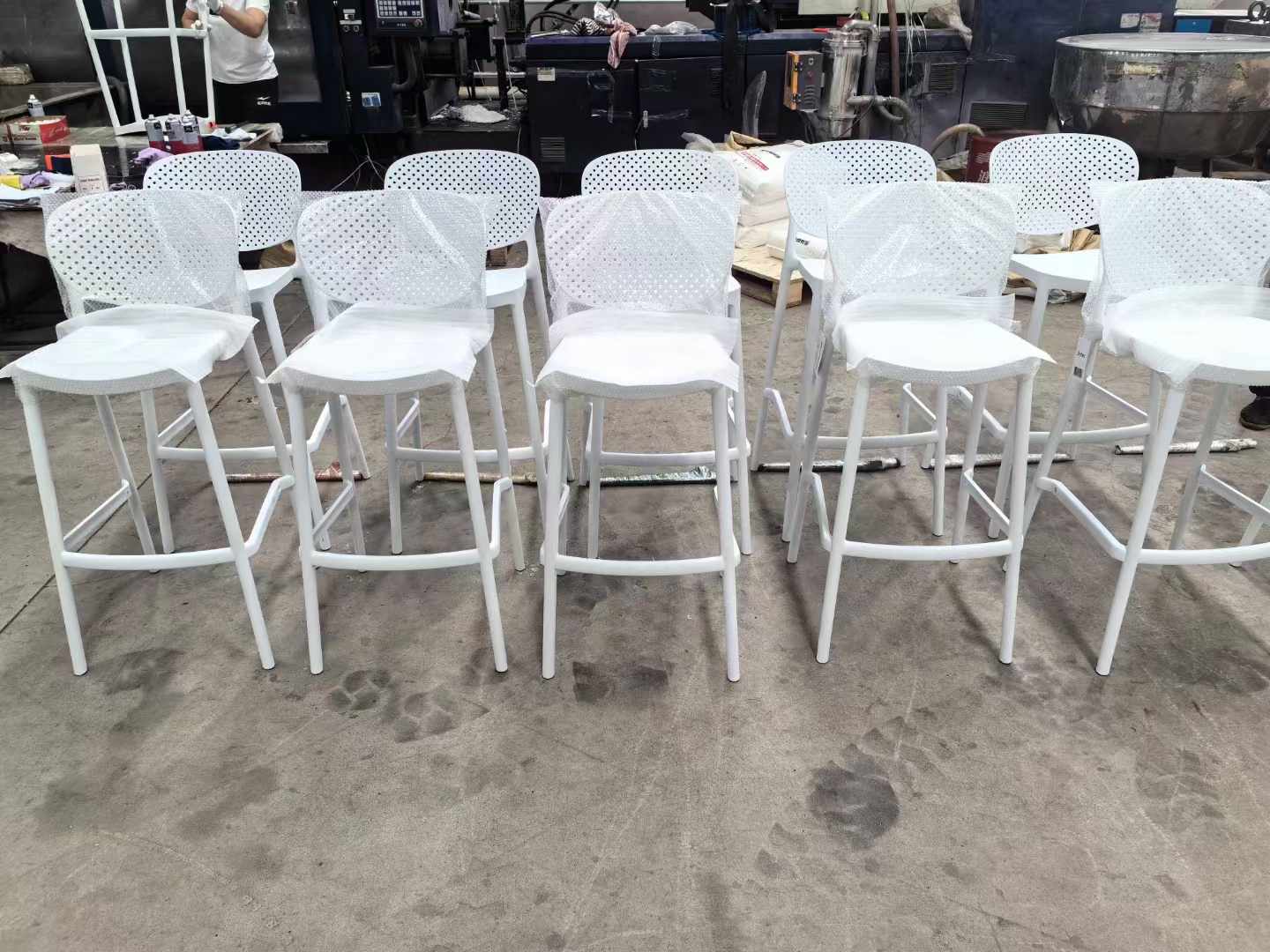
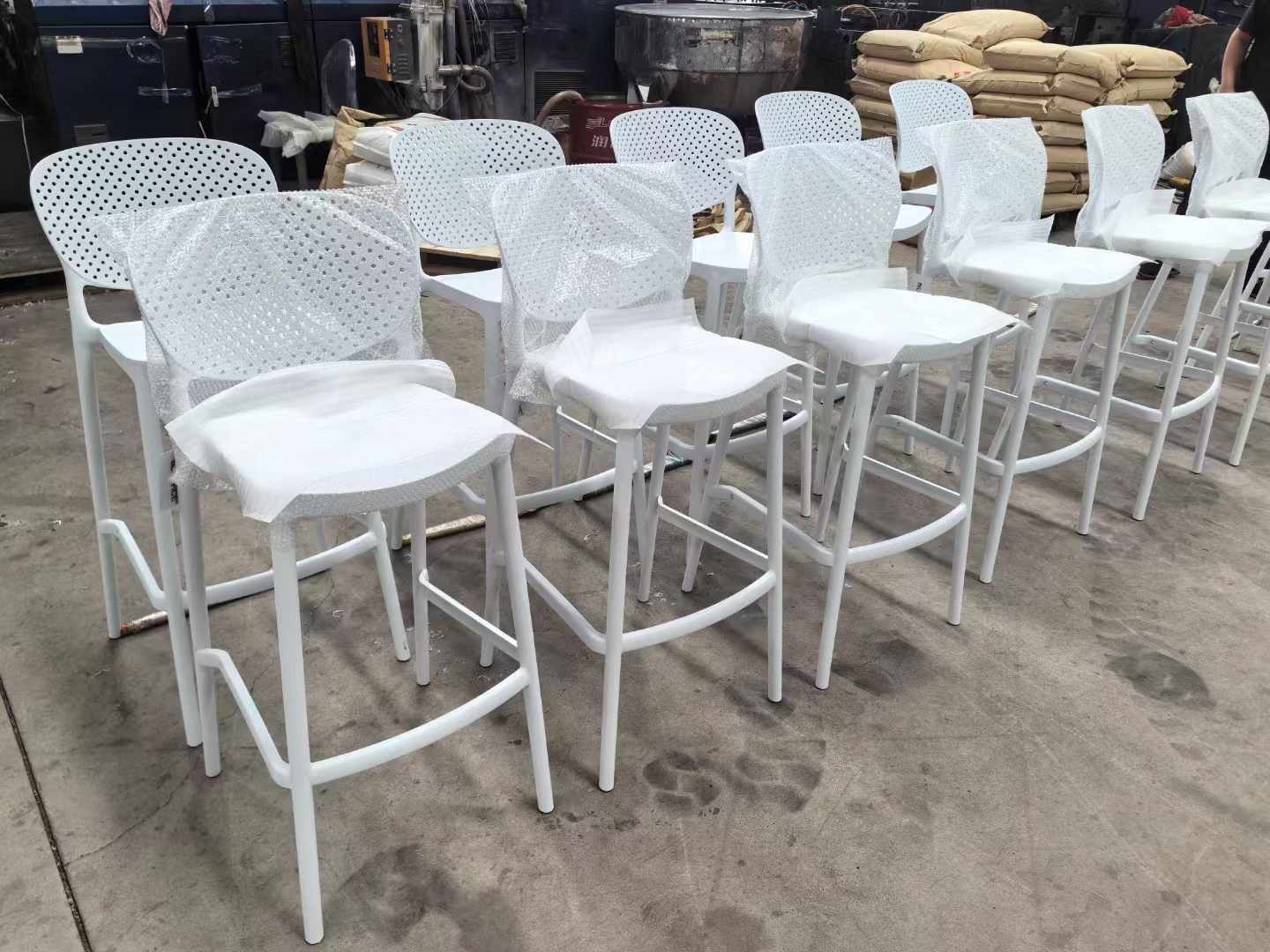
The product shown in the uploaded image is one example within this category.
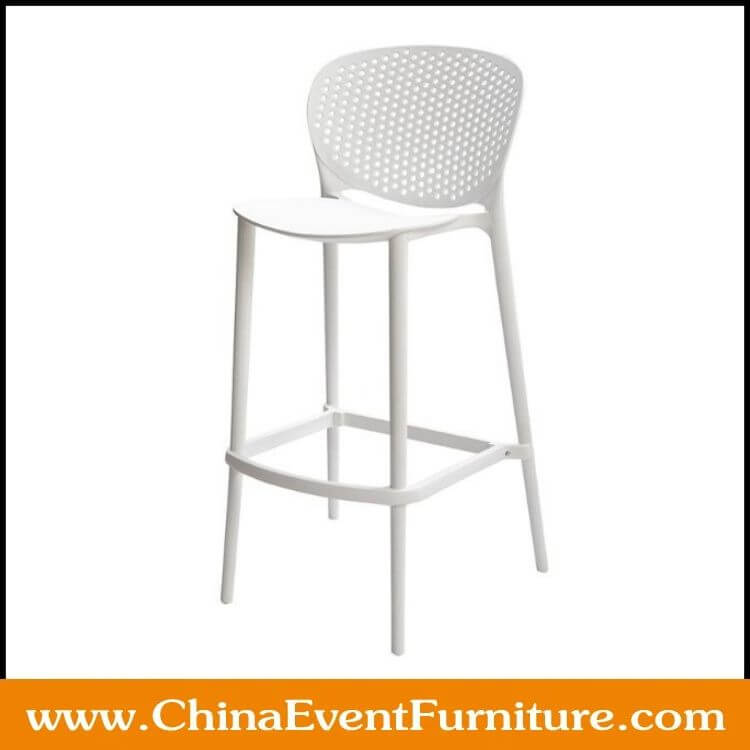
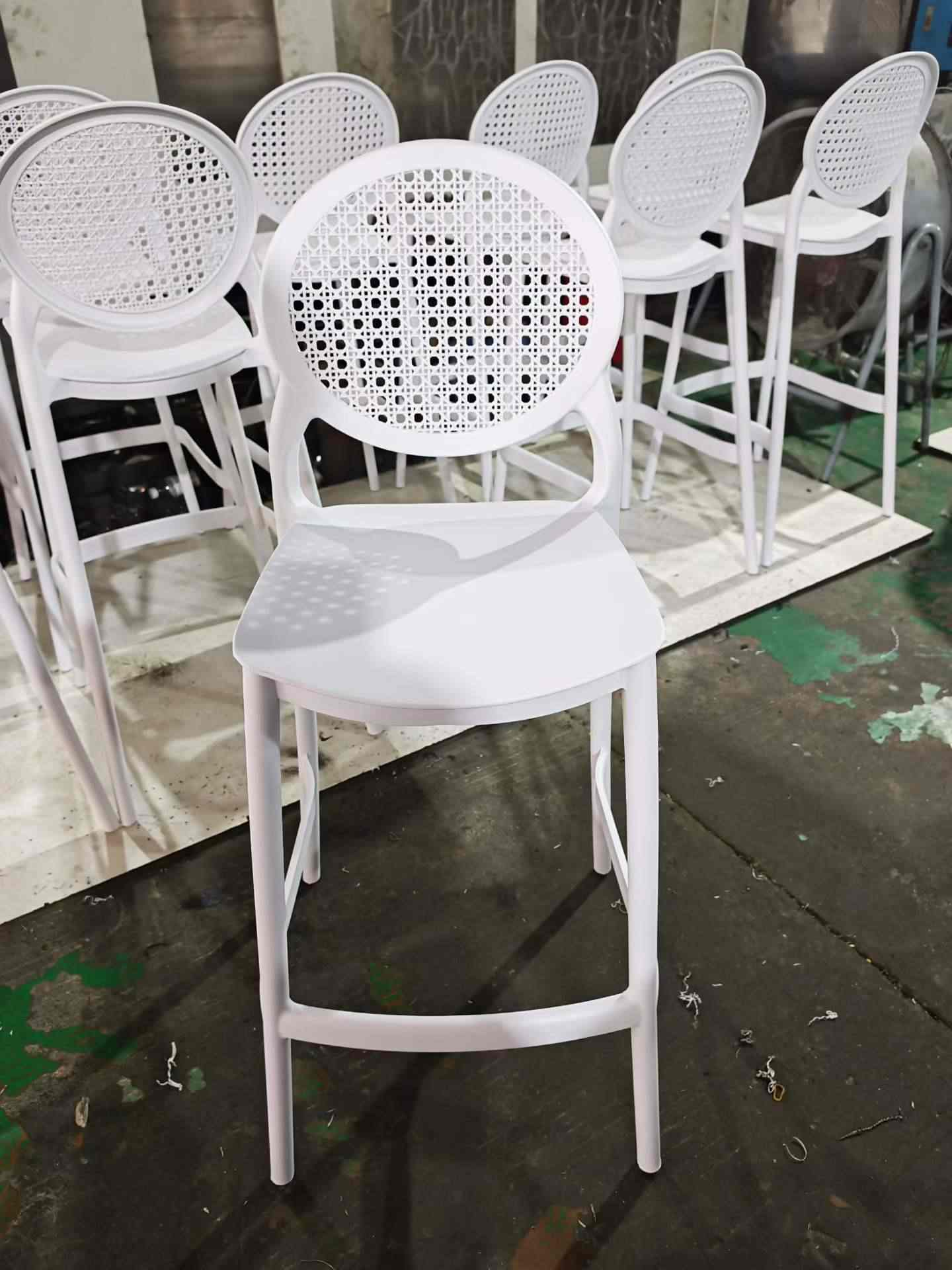
It features a white, molded-looking seat and backrest, a perforated back panel, a simple open-sided structure, and four long legs connected by horizontal supports.
Its monochromatic look and slim profile make it suitable for modern interiors where visual simplicity matters.
For importers, furniture wholesalers, retailers, restaurant operators, and interior designers, understanding the differences among white plastic counter stools is essential.
The best model depends not only on appearance but also on material specifications, seating dimensions, stability, maintenance requirements, and the demands of the intended environment.
1. A Minimalist Stool With A Distinctive Backrest
The featured stool uses a restrained design language. Its white color, open frame, and perforated backrest create a light visual impression, while the continuous-looking transition between the seat and back gives the upper section a coordinated appearance.
The backrest is slightly inclined and has a gently curved upper profile. Small, evenly distributed perforations form a repeated pattern across the back panel.
These openings distinguish the stool from models with completely solid backs and introduce texture without adding another color or decorative material.
The seat appears relatively simple, with a smooth, gently shaped surface. Its restrained form helps the stool fit into interiors that favor uncluttered furniture.
The legs extend downward from the seat area with a slight outward angle. Horizontal bars connect the legs at a lower level, providing a footrest area and helping define the frame’s geometry.
The open spaces between the legs allow the surrounding floor and furniture to remain visible.
The product appears to use a white plastic seating structure and white supporting legs. However, the photograph alone does not confirm whether the legs are plastic, metal with a white coating, or another material.
The exact manufacturing process, load capacity, and intended commercial rating should also be verified with the supplier.
These visible characteristics make this stool a useful example for understanding the design possibilities within the white plastic counter stools category.
They should not be treated as specifications that apply to every product sold under this keyword.
2. Why White Plastic Counter Stools Appeal To Modern Buyers
White is a flexible furniture color because it can complement many interior palettes without competing strongly with other design elements.
It works with pale wood, gray stone, stainless steel, black accents, glass surfaces, and many neutral wall colors.
In a kitchen, white counter stools can help maintain a consistent look when paired with white cabinetry or a light-colored countertop.
Against darker cabinets, they create contrast and become a more noticeable design feature. In cafés and restaurants, white seating can support a bright, contemporary atmosphere, particularly when combined with natural light and simple furniture.
Plastic also allows manufacturers to develop a wide range of seat shapes and backrest profiles.
Depending on the design and production method, molded plastic components can create smooth contours, integrated curves, perforated surfaces, or compact forms that would be more complex to produce from some traditional materials.
For buyers, this range is an important advantage. Rather than selecting white plastic counter stools based on color alone, they can compare different designs according to the style and functional needs of each project.
Some interiors require a simple, lightweight-looking stool with a small backrest. Others may need a wider seat, a more supportive back, a padded cushion, or a metal frame for a different visual effect.
The category includes options for different priorities, so the product should be selected according to its actual specifications.
3. Understanding The Different Types Of White Plastic Counter Stools
Not all white plastic counter stools are constructed in the same way.
Understanding the main design variations helps buyers identify the most suitable products for their customers or projects.
Molded plastic seat and back with a metal frame
This construction combines a plastic seating shell with a supporting metal base.
It can create a contemporary contrast between the smooth seat and the frame, while offering manufacturers flexibility in frame finishes and leg designs.
The exact balance of strength, weight, and maintenance depends on the materials and engineering used.
Buyers should confirm the frame specification rather than assume all stools with this appearance use the same metal.
Integrated plastic construction
Some stools use a more continuous plastic structure, with the seat, back, and legs formed as integrated components.
This can produce a visually consistent appearance and fewer visible material transitions.
For retail and project buyers, the key considerations include the construction method, stability, material quality, and whether the design is suitable for the intended level of use.
Perforated-back counter stools
The featured stool belongs visually to this design family. Its backrest has a pattern of small openings, creating a more detailed appearance than a plain solid panel.
Perforations can influence the visual weight of the chair and are a recognizable styling feature.
Their presence alone, however, does not establish a particular ventilation level, weight capacity, or durability rating.
Upholstered or cushioned plastic counter stools
Some models combine a plastic shell with a padded seat or cushion.
These designs can suit projects that prioritize a softer seating surface or a different decorative finish.
Buyers should consider the fabric or upholstery material, cleaning requirements, and suitability for the intended environment, especially when selecting furniture for food-service businesses.
Counter-height versus bar-height stools
The terms are sometimes used interchangeably in product searches, but the dimensions are not necessarily the same.
A stool designed for a kitchen counter may be too low for a tall bar, while a bar-height model may not fit comfortably beneath a standard counter.
Always check the manufacturer’s stated seat height and overall dimensions before ordering.
4. White Plastic Counter Stools For Contemporary Kitchens
Kitchen islands have become multipurpose surfaces for meal preparation, casual dining, conversation, and everyday activities.
Counter stools therefore need to complement the kitchen while fitting the available space.
White plastic counter stools can work particularly well in contemporary kitchens because their color coordinates with a broad range of cabinets and worktops.
The featured model’s perforated backrest adds detail without creating a bulky silhouette.
In a predominantly white kitchen, matching stools can produce a coordinated, understated appearance.
In kitchens with oak cabinets or wood-effect counters, white seating provides contrast and can help balance the warmth of the timber.
For darker kitchens, white stools can introduce a lighter visual element.
The open structure of the featured model may also be appealing in smaller kitchens, where furniture with substantial side panels or heavy upholstery can make the space feel crowded.
However, visual suitability should be considered alongside practical measurements. Buyers should check the counter height, seat width, stool depth, and available knee clearance.
Sufficient space should also be allowed between neighboring stools so that users can sit down and move comfortably.
For furniture retailers, these considerations are useful when matching white plastic counter stools to the needs of different residential customers.
5. White Plastic Counter Stools For Cafés And Coffee Shops
Cafés often use counter seating to make productive use of narrow spaces, window ledges, and service counters.
In a compact coffee shop, a row of white stools can create a clear, consistent seating arrangement without introducing a complicated color scheme.
The featured stool’s perforated back and simple geometry suit contemporary interiors with clean lines, bright finishes, and restrained decoration.
It may also complement cafés that combine white furniture with timber counters, black lighting fixtures, or stainless steel equipment.
For café operators, the selection process should focus on more than appearance. Counter seating may experience frequent movement, repeated cleaning, and regular customer turnover.
The stool’s construction, finish, stability, and ease of maintenance should match these conditions.
The suitability of a particular plastic model for intensive commercial use depends on its material grade and construction.
Buyers should request relevant test information where needed and verify the recommended usage conditions with the supplier.
A carefully chosen model can help a café maintain a consistent interior while providing functional seating for customers who want to enjoy a drink, eat a quick meal, or work briefly at a counter.
6. A Practical Option For Restaurants And Casual Dining Spaces
Restaurants use counter-height seating in a variety of settings, including open kitchens, bar counters, breakfast areas, and informal dining zones.
White plastic counter stools can suit venues that prefer a clean, contemporary furniture style.
Their neutral color makes them relatively easy to coordinate with different tabletops and architectural finishes.
A restaurant might pair white stools with a pale wood counter for a relaxed atmosphere or use them against darker surfaces for stronger contrast.
The featured design has a backrest, which distinguishes it from backless stools and gives the seating arrangement a more defined profile.
Whether that backrest provides enough support for a particular restaurant’s needs depends on its dimensions and shape.
Restaurant buyers should also consider the time customers are expected to spend seated.
Short-stay counter seating may have different comfort requirements from seating intended for extended meals.
Seat contour, backrest angle, footrest placement, and seat height should all be evaluated.
For commercial projects, it is also sensible to establish a clear maintenance process and inspect furniture periodically for cracks, loose connections, or other signs of damage.
7. White Plastic Counter Stools In Hotels And Hospitality Projects
Hotels may use counter stools in breakfast areas, lounge bars, guest-room kitchenettes, serviced apartments, and selected communal spaces.
The best design depends on the hotel’s positioning and the function of the area.
In a contemporary hotel breakfast zone, white counter stools can help maintain a bright, uncluttered appearance.
In a serviced apartment, they can provide seating at a compact kitchen island. In a casual lounge, they may be paired with a contrasting counter and simple decorative lighting.
The featured stool’s perforated backrest offers a small amount of visual detail while maintaining a consistent white finish.
This can be useful for projects seeking a modern appearance without ornate furniture elements.
Hospitality procurement teams should pay close attention to the specification of each model.
Furniture intended for frequent public use may need documented stability or durability testing, suitable cleaning instructions, and consistent replacement availability.
For projects involving multiple locations, it is also helpful to confirm that the supplier can maintain color and finish consistency across repeat orders.
Samples and approved specification sheets can reduce uncertainty before a large purchase.
8. Material Choices: What Buyers Should Know About Plastic Seating
“Plastic” describes a broad family of materials rather than a single specification.
White plastic counter stools may use different polymers, blends, additives, or construction methods, and these differences can affect the finished product’s performance.
The material should therefore be confirmed rather than inferred from the stool’s appearance.
Depending on the model, buyers may encounter polypropylene, other molded polymers, or plastic seating components combined with a metal frame.
Each product should be evaluated according to the manufacturer’s technical information.
Important questions include:
-
What plastic material is used for the seat and backrest?
-
Is the supporting structure plastic, metal, or a combination?
-
What is the recommended maximum load?
-
Is the product intended for residential, commercial, or both types of use?
-
What cleaning agents and methods are recommended?
-
Is the model designed for indoor use only, or is outdoor use specifically approved?
The white finish is another consideration.
Buyers should ask how the surface should be cleaned and maintained, and whether the manufacturer offers replacement components or matching products for future orders.
These questions are particularly valuable for wholesalers and importers who need accurate specifications for catalogs, product pages, and customer inquiries.
9. Cleaning And Everyday Maintenance
One reason buyers consider plastic seating is the potential for straightforward routine care.
A smooth plastic surface can often be wiped with a soft cloth and a suitable mild cleaning solution, provided the manufacturer permits that method.
For the featured perforated-back design, the small openings may collect dust or debris more readily than a completely solid surface.
A soft brush or other manufacturer-approved cleaning tool can help reach these areas.
The correct procedure depends on the material and finish.
Abrasive pads, harsh solvents, and unapproved chemicals may dull the surface or damage the product, so buyers should follow the supplier’s care instructions.
Commercial operators should also inspect the stool’s legs, footrest connections, and seat structure periodically. Any stool showing cracks, instability, or damaged components should be taken out of service until it has been checked.
White furniture can make certain marks more noticeable than darker finishes.
A regular cleaning schedule is therefore useful in busy cafés, restaurants, and hotel environments where maintaining a consistent appearance matters.
It is also important not to assume that every plastic stool is suitable for outdoor use. Weather resistance depends on the material, additives, construction, and finish.
Outdoor applications should only be considered when the specific model is approved for those conditions.
10. How to Choose The Right White Plastic Counter Stools For Wholesale Orders
For importers, distributors, retailers, and commercial furniture buyers, product selection should begin with the intended application.
First, confirm the dimensions. Ask for the seat height, overall height, seat width, depth, and base footprint.
These measurements determine whether the stool fits the counter and the available floor space.
Second, check the construction. Confirm the plastic material, frame material, connection method, and finish.
For projects requiring commercial-use documentation, ask for relevant test reports and load specifications.
Third, evaluate comfort. Consider the seat shape, backrest size, footrest position, and the expected length of time users will sit.
Where possible, request a sample before placing a large order.
Fourth, review packaging and shipping. Ask how the stools are packed, whether any assembly is required, and what the carton dimensions and shipping quantities will be.
Packaging details can affect freight planning and warehouse handling.
Fifth, confirm supply arrangements. Buyers should clarify minimum order quantities, production lead times, available colors, sample costs, payment terms, and replacement-part availability.
Custom finishes or design changes should never be assumed to be available without confirmation.
Finally, request accurate product images and technical information for your own website or catalog.
Clear descriptions of dimensions, materials, usage, and care help international customers compare products and make more confident purchasing decisions.
For B2B buyers, this process helps distinguish a visually appealing stool from one that also meets the practical requirements of the project.
11. Building A Flexible Furniture Collection Around White Counter Stools
White plastic counter stools can occupy a useful position in a furniture collection because white is compatible with many interior styles.
However, a successful collection should not rely on one design alone.
Some customers may prefer the featured stool’s perforated backrest and open structure.
Others may look for a solid molded seat, a rounded shell, a padded cushion, a swivel base, or a more substantial frame.
Wholesalers and retailers can use these differences to serve a wider range of customer preferences.
For example, a contemporary home-furnishing range might prioritize compact dimensions and clean lines, while a commercial range may focus more heavily on verified construction specifications and ease of maintenance.
For hospitality suppliers, it is helpful to organize products by actual seat height, intended use, material, and design.
This makes it easier for buyers to compare models without assuming that all white plastic counter stools offer identical performance.
The featured stool demonstrates one particular direction: a white, perforated-back design with a minimalist profile.
Other products within the category may have very different shapes and construction details while serving a similar seating purpose.
12. Why Work With A Furniture Supplier For Your Counter Stool Project?
Sourcing counter stools for a commercial project involves more than selecting a design from a photograph.
Buyers also need reliable product information, consistent communication, and a clear understanding of ordering requirements.
A qualified furniture supplier should be able to explain the available specifications, clarify material questions, provide dimensioned product information, and confirm the conditions associated with samples, customization, packaging, and delivery.
For CARGO FURNITURE, the opportunity is to help international buyers evaluate suitable seating options according to their target market and project needs.
Whether you are a wholesaler building a product range, a retailer sourcing contemporary furniture, or a hospitality buyer furnishing a new location, clear specifications can make the purchasing process more efficient.
When requesting a quotation, include your required quantity, delivery destination, preferred dimensions, intended application, and any special requirements.
If you are comparing multiple white plastic counter stools, request the same key specifications for each model so that the comparison is meaningful.
The right product is the one whose appearance, dimensions, construction, and commercial terms fit your actual requirements—not simply the one that looks similar in a photograph.
Frequently Asked Questions About White Plastic Counter Stools
Are white plastic counter stools suitable for commercial use?
Some models are designed for commercial environments, while others are intended primarily for residential use.
Check the manufacturer’s stated application, construction details, load rating, and relevant test documentation before selecting stools for a restaurant, café, or hotel.
What is the difference between counter-height and bar-height stools?
The difference is primarily dimensional. Bar counters are often taller than kitchen counters, so the appropriate seat height varies.
Always compare the actual product measurements with your counter rather than relying on the product name alone.
Are all white plastic counter stools made from polypropylene?
No. Plastic counter stools can be made from different polymers or material combinations.
Confirm the exact material with the supplier before publishing specifications or making a purchasing decision.
Are white plastic counter stools easy to clean?
Many models have surfaces that are straightforward to wipe clean, but cleaning requirements depend on the material and finish.
Perforated backs may require extra attention around the openings. Follow the manufacturer’s care instructions.
Can white plastic counter stools be used outdoors?
Not necessarily. Some plastic furniture is designed for outdoor use, while other models are intended for indoor environments.
Confirm weather resistance and the manufacturer’s approved usage conditions for the specific stool.
Are customized white plastic counter stools available for wholesale orders?
Customization depends on the supplier, model, production process, and order quantity.
Ask about available colors, frame finishes, minimum order quantities, samples, and production lead times before confirming an order.